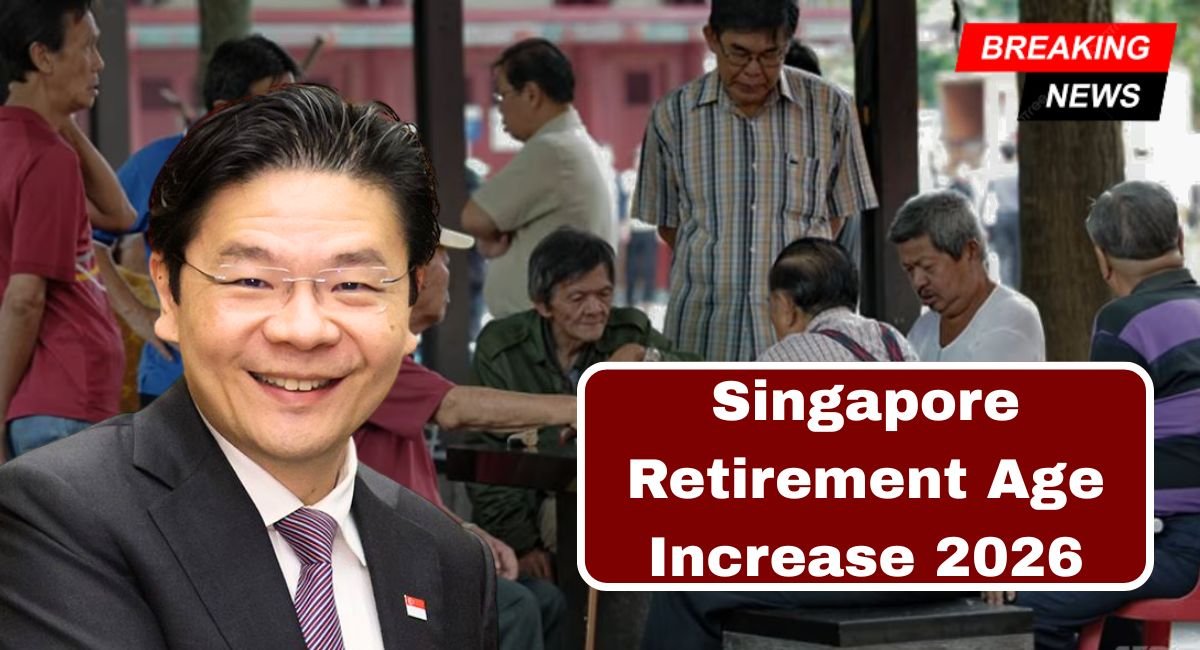
A major workforce policy overhaul is expected to make headlines in Singapore, as that is part of the government’s long-term endeavor to cope with the challenges of an aging population. One of the key things people can hope for in 2026 is the rise in the re-employment age to 69, providing more options for older people to remain engaged in the workforce.
That serves as a new strategy for helping citizens in Singapore work until later in life so that they earn an income and save for their retirement. More life expectancy is seen; therefore, a lot more seniors live with their health and health issues. This change is emerging as a top national priority.
Such change is possible to directly affect the career planning, income stability, and long-run security of employees as they prepare to—retire.
What Does the Retirement Age Increase Mean?
Singapore has two major working age milestones: the compulsory age of retirement, also known as the reemployment age.
Retirement age refers to that age where companies can let their employees contact it a day. However, in Singapore, companies are obliged by law to give fit and capable employees a chance to continue working till they are eligible to retire at the re-employment age.
This decision to raise the statutory re-employment age to 69 gives a breathing space for many ageing workers to work longer, plus have a stable source of income provided that they have reached the established mandatory retirement age.
This policy tends to create a more inclusive workforce by valuing experience and skills in later years.
Singapore Retirement Age Policy 2026 Overview
The updated retirement framework, in a simplified term, is tasked with the following works.

| Policy Feature | Details |
|---|---|
| Country | Singapore |
| Official Retirement Age | 64 years |
| New Re-Employment Age | Up to 69 years |
| Main Purpose | Extend employment opportunities for older workers |
| Key Benefit | Longer income and stronger retirement savings |
| Implementation | Gradual policy increase |
Boost up economic activity for the aged and, at the same time, digitized create enhanced retirement savings.
Why Singapore Is Increasing the Re-Employment Age
There are several reasons behind this policy initiative.
First, people in Singapore are living longer, and so they are healthy and productive in their later years for a rather long time.
Second, it’s by far not bad to keep yeast workers working longer because it builds better Central Provident Funds (CFP) savings for their retirement.
Third, the business benefits from the knowledge and mentorship of experienced veterans who, in turn, bring in professional skills to their businesses.
This makes the addition of retirement ages a significant part of Singapore’s long-term workforce strategy.
How the Policy Affects Employees
For the employees who are hovering on the border line of retirement, the biggest advantage is the time given for generating money and savings.
Employees who can share their knowledge beyond the boundary of retirement will be in a position to work themselves free from their financial claustrophobia sooner than ever before.
There would be people who would like to take advantage of the extra working period meant for retirement time to catch up on their finances, take care of one more liability, or repeat screening of their savings for future money needs.

For an individual, this extra period of service means a vast change in future financial management.
Impact on Employers and Economy
Companies and wider politics benefit as much as an increase in the age of retirement.
Businesses may set up age-friendly workplaces, providing such features as part-time work or training programs that would cater to the needs of their older employees. Forceful employees might also net out rents for businesses with fewer tradeoffs.
On a national basis, keeping experienced employees employed has another virtue of strengthening the stability and resilience of the workforce against external forces.
Conclusion
This page introduces the age requirement that will increase to 69, which includes a policy concerning the Retirement Increase 2026.
The transition retirement redefined, while productivity increase is one of the expected outcomes by the retirement age to 55 policies easily noted in the country.