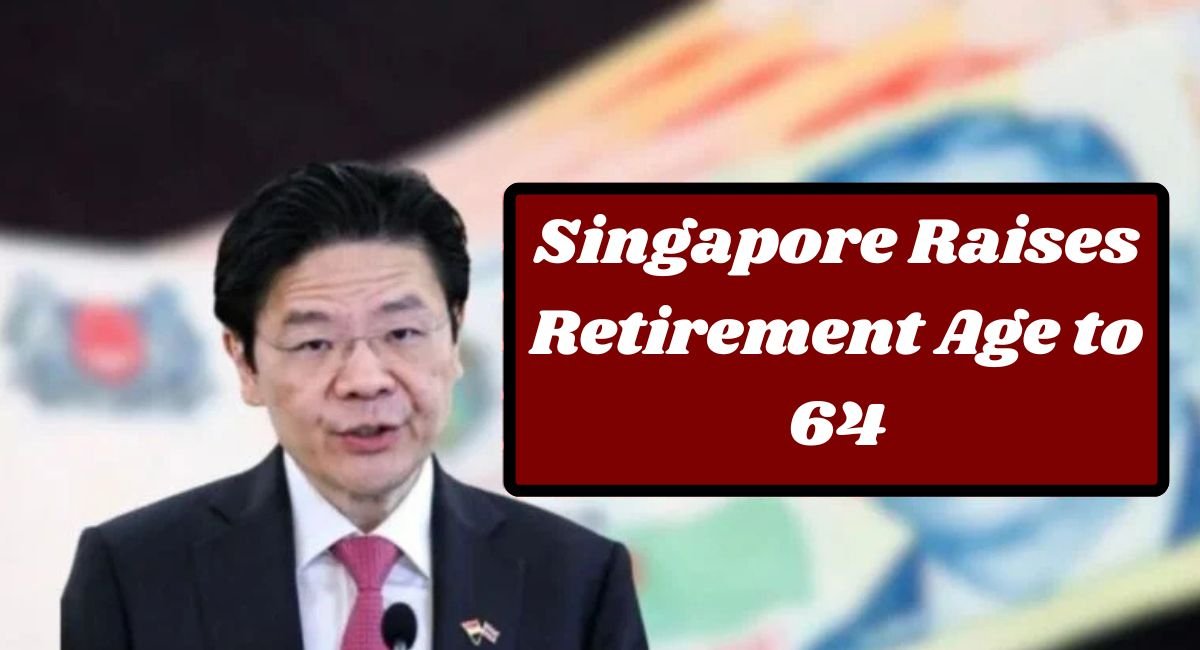
The retirement age of Singaporean citizens will increase to 64 and the age of re-employment to 69 effectively in July 2026. This means that companies must likely retain able employees until they are 69 years old, provided they are medically fit and performance-wise acceptable. This change reflects Singapore’s commitment to encouraging older workers to remain productive and financially secure.
Why This Change Matters
Many older people in Singapore are now rapidly aging, and indeed many of them need or would like to work. Extending the age of retirement and re-employment helps older employees maintain the option of staying at work. It supports people not just in keeping some income, but it is also a means to keep on building up on their CPF savings so that they can be more secure in retirement.
CPF Contribution Increases for Senior Employees
As workers aging become more sophisticated, in 2026 CPF contributions of aged 55-65 employees rise by 1.5 percentage points. This move ensures that senior employees can have a stronger savings cap while still working. Employers will be provided with support in managing higher contributions from balancing both the interests of the business owner and employee.

Shifting Mindsets About Aging and Work
Elderly employment and elderly re-employment age extension are part of a bigger paradigm shift. With this, Singapore is trying to make the community realize that elderly employees are not a liability but have experience and skill from which society can benefit. Many seniors have opted to continue working past 60 for financial stability, personal fulfillment, or to simply keep the blood flowing. This has become easy and comprehensive with this new rule.
Preparing for the Future of Work
The changes are part of Singapore’s long-term coping mechanisms against demographic realities. Extended working years are a strategic move as Singaporeans live longer and get older, for working longer will ensure the economy and independent existence of the individuals who labor. In other terms, the future-ready mindset involves the transiting from work to retirement more as a continuum than an abrupt end, something enabled by policy flexibility.
Final Thoughts
By 2026, Singapore hopes this shift upward to 64 and 69 for retirement and reemployment ages respectively will mark a significant time in Singapore’s labor and retirement policies. In addition, the higher employer CPF contribution benefits seniors by making them not only economically secure, but also increases the job security for senior workers. For many Singaporeans, this change means an opportunity, at an older age, for a more satisfying career in a new level of security when considering retirement.