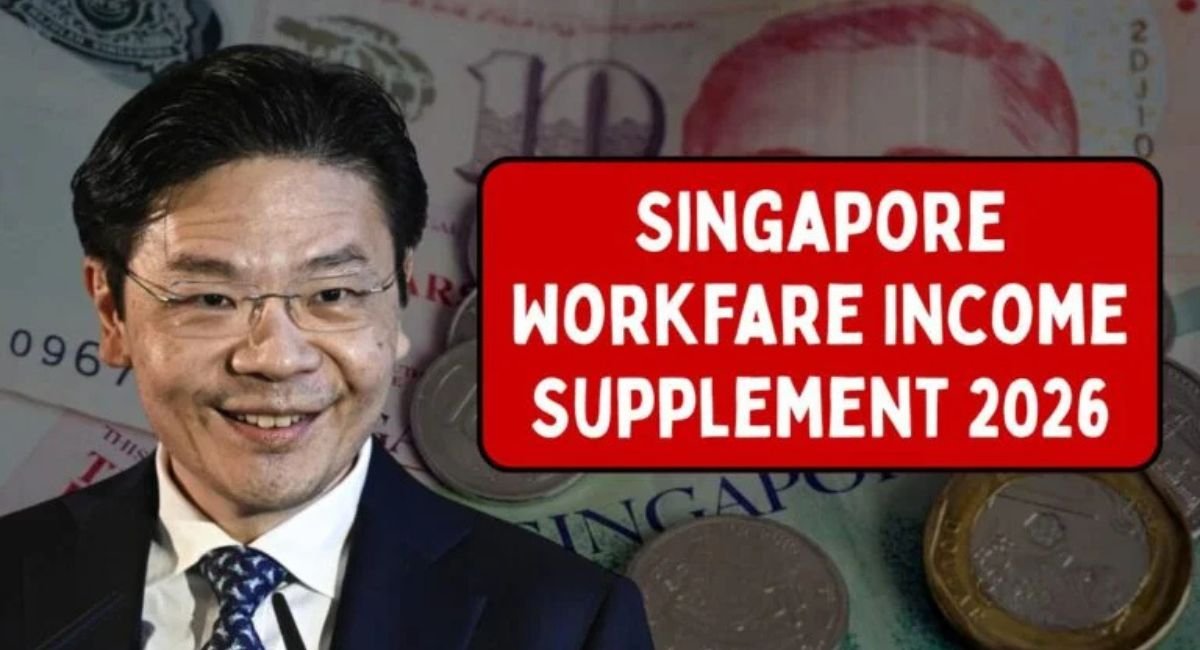
Continuous improvements to render programs administered by the government provide more and better mechanisms to assist retaining financial security to people in the lower income brackets. One of the key programmes in WIS is the Workfare Income Supplement (WIS) scheme that was enhanced in 2026 with bigger cash payments and stronger incentives for saving for retirement.
The program, WIS, was created to reward work and motivate lower-wage workers to find jobs. It provides cash payouts as well as CPF contributions, so that they can improve their income as well as strengthen their retirement savings.
We look into the higher cash payouts, eligibility criteria, payment structure and the benefits as it improved Singapore WIS 2026 program.
What Is the Workfare Income Supplement (WIS)?
The Workfare Income Supplement (WIS) gives government help to lesser income employees and self-employed individuals. It offers better financial aid for those who are actually working on wages and earnings below a certain amount.
In terms of support under the WIS scheme, two forms of financial support are available to qualifying workers, such as cash and CPFA contributions in the colloquial language. With this, people get immediate financial support and funds for retirement.
Commission Load update includes making substantial cash payouts to the workers in addition to daily subsistence it offers.
Singapore WIS 2026 Overview
The WIS scheme details are as shown:

| Program Feature | Details |
|---|---|
| Program Name | Workfare Income Supplement (WIS) |
| Country | Singapore |
| Update Year | 2026 |
| Key Benefit | Higher cash payouts for eligible workers |
| Support Type | Cash payments and CPF contributions |
| Purpose | Support lower-income workers and encourage employment |
Such state involvement that was heightened in 2026 is meant to enhance the financial wellness of lowly paid workers.
WIS 2026 Eligibility Criteria: Inculcation
To apply for the new, higher cash benefit of WIS for 2026, individuals must first meet the specified criteria set by the government of Singapore.
First of all, a person must have Singaporean citizenship, aged 30 deals or above. The disabled may be eligible irrespective of age, implies persons aged 30 or older will fulfill the criterion. Secondly, the applicant must be employed or self-employed and earns and comes within the specified financial income limit.
However, there is an additional criterion: that he also owes his CPF account if he is employed. Where possible, the eligibility may be also evaluated on factors like property possession and income of the household.
To ensure that the maximum benefit goes to the neediest worker
Advantages of Higher Cash Benefits
The reason behind this is that the said increase disburses money to facilitate a number of things to the workforce eligible for it.
Firstly, the increase in money outflow shall allow the workforce to have command over daily expenses, be it on rail fares or groceries or any expense for a household etc, and that is a very significant output. Then there is the saving factor, wherein contributions are enhanced within CPF for better retirement savings, which helps in financial stability in the long run.

Furthermore, greater accessibility accrues through various disbursement channels, e.g. via autograd-where as soon as once eligibility is confirmed, monies would then get credited directly in, at least for beneficiaries, easily facilitating nearly zero contact with these.
High payouts support the sustainability of continued employment among workers: the financial assistance provided encourages in the continuing employment of workers.
WIS Enhancement Impact
The increased benefit under the WIS program augurs the depth and breadth of the State’s aspirations in crafting an egalitarian economy from all grounds for all workers-and helps put in place a well-thought-blend over government fiscal policy as well as regulatory oversight.
Higher payouts that were updated will also encourage the person to be working, and at the same time, that will be helpful for laborers and the entire national economy.
Conclusion
The higher cash payouts provided through WIS 2026 in Singapore present significant enhancements in financial support for lower-wage and earning workers. Current cash and CPF contributions from the program will have a balancing effect for recipients’ immediate needs and a stronger long-term saving stipulation for their retirement.
Programs such as the Workfare Income Supplement, which help the working class of the country with financial assistance, endorse Singapore’s working commitment and promote the balance of all-societal economic stability.